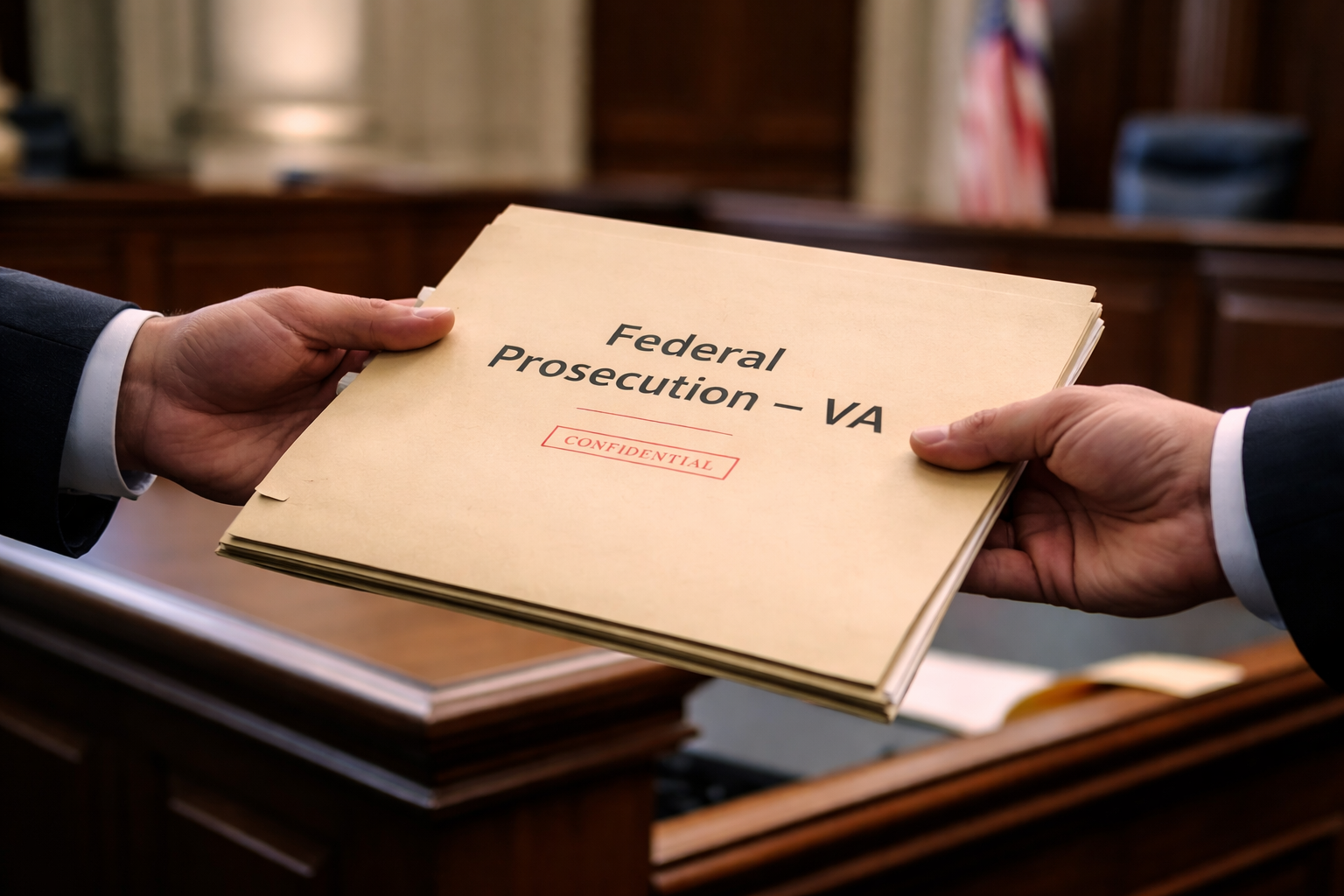
A federal grand jury in Alexandria, Virginia declined to indict New York Attorney General Letitia James after the Justice Department re-presented mortgage-related allegations tied to a 2020 home purchase, Reuters and the Associated Press reported. The result followed a similar refusal about a week earlier by a separate grand jury in Norfolk.
The allegations focus on whether James made false statements in mortgage paperwork about how the property would be used. James denies wrongdoing. A grand jury “no bill” does not decide guilt or innocence; it signals jurors did not find probable cause on the evidence and theory presented in secret proceedings.
The case also sits inside an unusual chain of events that critics describe as an erosion of prosecutorial independence. ABC News reported that Erik Siebert, a Trump-appointed U.S. attorney, declined to bring charges and later resigned amid pressure to pursue the matter. DOJ then installed Lindsey Halligan, a Trump-aligned lawyer, who advanced the case Siebert had declined.
A federal judge dismissed the resulting indictment on appointment grounds, ruling Halligan lacked lawful authority to serve as interim U.S. attorney. DOJ re-presented the case again after that dismissal—and still failed to secure an indictment.
Questions about motive remain disputed. The mortgage-fraud theory was triggered by a referral from FHFA Director Bill Pulte, and the prosecution unfolded against years of Trump rhetoric targeting James after she led New York’s civil fraud case against him. Trump has publicly argued James should face punishment, including remarks reported as calling for her arrest.
Why it matters: When a prosecution appears to override internal resistance, runs into lawful-authority problems, and still cannot persuade grand juries, the outcome becomes more than a courtroom story. It becomes a test of whether charging decisions are insulated from political pressure and grounded in evidence.
Claim: The mortgage-fraud inquiry was triggered by an FHFA referral from Bill Pulte alleging misrepresentations in James’s mortgage paperwork.
Verdict: ✅ True
Rationale: Coverage identifies the FHFA referral as the origin of the criminal inquiry and describes the alleged misrepresentation theory. Source: AP Source: Reuters
Claim: Trump publicly said Letitia James should be arrested or punished.
Verdict: ✅ True
Rationale: Reporting and commentary coverage cite Trump remarks calling for James to be arrested and punished in the context of her actions against him. Source: MSNBC
Claim: DOJ pursued charges because the evidence supported them.
Verdict: ❓ Unsupported
Rationale: The public record summarized in major coverage does not show the full evidentiary presentation, and two grand juries declined to indict. Outlets can report DOJ’s pursuit; they cannot establish evidentiary strength from outcome alone. Source: Reuters Source: AP
Claim: The prosecution was political retaliation for James’s civil fraud case against Trump.
Verdict: ❓ Unsupported
Rationale: James and allies argue retaliation; critics dispute it. Reporting documents the political backdrop and internal pressure claims, but motive is not adjudicated and cannot be proven from the available record. Source: ABC News Source: Reuters
Claim: Letitia James committed mortgage or bank fraud.
Verdict: ⚖️ Alleged
Rationale: The accusation is the government’s theory as described in reporting and has not been adjudicated; grand juries declined to indict on the presentations described. Source: Reuters Source: AP
Claim: The grand jury refusals mean James was exonerated.
Verdict: ⚠️ Misleading
Rationale: A “no bill” is not a verdict; it reflects a probable-cause decision on a specific evidentiary presentation. Source: AP
Claim: The grand juries were bribed or “rigged” to protect James.
Verdict: ❓ Unsupported
Rationale: No evidence of jury tampering is substantiated in the reporting reviewed. Source: Reuters
Claim: DOJ fabricated evidence and the refusals prove it.
Verdict: ❓ Unsupported
Rationale: A refusal to indict does not establish fabrication; it only reflects a probable-cause decision. Source: AP
| Outlet | Bar | Score |
|---|
| Outlet | Spin | Factual integrity | Strategic silence | Media distortion |
|---|